

 See My Latest Article on HelloNation
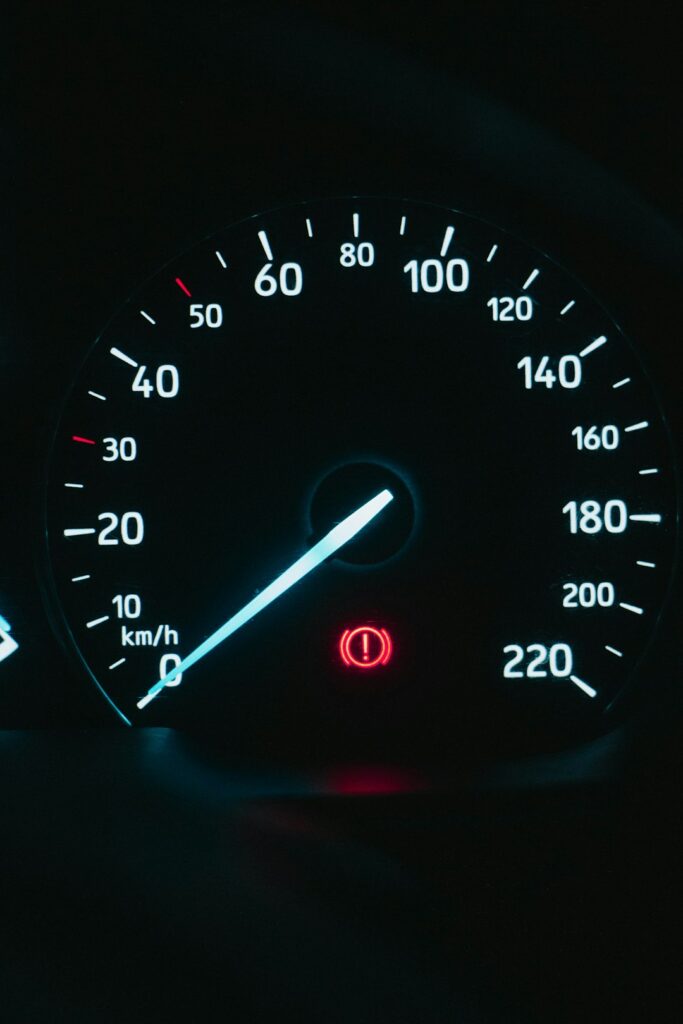
Oil changes are easy to postpone because a vehicle may continue running normally even as the oil becomes dirty, diluted, or depleted. However, engine oil gradually loses its ability to lubricate, cool, and protect moving parts. Recognizing the warning signs can help prevent avoidable engine wear and unexpected breakdowns.
What are the clearest signs that a car needs an oil change?
The most reliable warning signs include an illuminated oil-related dashboard light, dark or gritty oil, a persistent ticking or knocking sound, an unusual burning smell, reduced engine performance, and an overdue maintenance interval. Some vehicles show no obvious symptoms before oil quality has declined, so mileage and time remain important even when the car seems to run well.
1. The oil warning light comes on
An oil warning light should be treated seriously. Depending on the vehicle, it may indicate low oil pressure, insufficient oil, or another lubrication problem. This warning is different from a routine maintenance reminder, which may simply track the vehicle’s recommended service interval.
If a red oil-pressure warning appears while driving, the safest response is to pull over when conditions allow and turn off the engine. Continuing to drive with low oil pressure can cause severe internal damage within a short period.
A maintenance reminder is less urgent but still deserves attention. It usually means the vehicle has reached a programmed mileage or time interval for an oil change.
2. The engine oil looks very dark, gritty, or contaminated
Fresh oil is usually amber or golden, although color varies by oil type and engine design. Over time, oil darkens as it collects combustion byproducts and suspended particles. Dark oil alone does not always prove that an oil change is immediately due, but thick, gritty, sludgy, or unusually dirty oil is a stronger warning.
To check the oil:
- Park on level ground and turn off the engine.
- Allow the engine to cool for several minutes.
- Remove the dipstick, wipe it clean, reinsert it fully, and check the level again.
- Look at the oil on the dipstick for unusual grit, sludge, or metal-colored particles.
A low oil level may point to a leak or oil consumption problem rather than simply an overdue oil change. Adding oil may be necessary, but it does not replace finding out why the level dropped.
3. The engine makes ticking, tapping, or knocking sounds
Oil creates a protective film between moving engine components. When the oil level is too low or the oil has broken down, parts may not receive adequate lubrication. This can produce ticking, tapping, or knocking noises, especially during startup or acceleration.
Not every engine noise is caused by old oil. Exhaust leaks, worn belts, loose components, and other mechanical problems can sound similar. Still, a new or worsening noise combined with a low oil level or overdue maintenance should not be ignored.
A loud knocking sound, especially with an oil warning light, can indicate a serious lubrication issue. The vehicle should not be driven until the cause is understood.
4. There is a persistent burning-oil smell
A strong smell of burning oil inside or around the vehicle can indicate an oil leak onto a hot engine or exhaust component. It may also point to oil entering the combustion chamber, where it burns with the fuel.
An oil change will not correct an external leak or an internal engine problem. Look for fresh spots under the vehicle after it has been parked, while remembering that not every leak leaves a large puddle. A small leak can still lower the oil level over time.
If smoke appears from under the hood, stop driving as soon as it is safe. Hot oil contacting exhaust components can create a fire risk.
Can reduced performance mean the oil is overdue?
Yes. Old or insufficient oil can contribute to sluggish acceleration, rough idling, reduced fuel economy, or an engine that feels less responsive. These symptoms are not unique to oil problems; clogged filters, ignition faults, tire pressure, and fuel-system issues can also affect performance.
Oil that has become thick or contaminated creates more resistance inside the engine. The engine may need to work harder, particularly during cold starts or under load. If a vehicle feels noticeably different and its oil service is overdue, checking the oil level and maintenance history is a sensible first step.
How often should an oil change be done?
The correct interval depends on the vehicle, engine, oil specification, driving conditions, and manufacturer recommendations. Many newer vehicles use oil-life monitoring systems rather than a universal mileage rule. The owner’s manual is the most reliable source for the required oil type and service interval.
More frequent oil changes may be appropriate for severe driving conditions, such as:

- Repeated short trips that do not fully warm the engine
- Frequent stop-and-go traffic
- Extended idling
- Towing or carrying heavy loads
- Regular driving on dusty or poorly maintained roads
- Very hot or very cold weather
- Long periods of storage followed by limited driving
Seasonal conditions in Middletown, CT can affect vehicle use. Winter cold can make oil flow more slowly during startup, while summer heat and congested travel can increase engine operating temperatures. Road salt and winter moisture do not directly make oil wear out, but they can contribute to corrosion and underbody damage that may make leaks harder to spot.
Does low mileage mean an oil change is unnecessary?
No. Oil can degrade with time even when a car is driven only occasionally. Moisture and fuel contamination may accumulate in engines that make frequent short trips. Vehicles that sit for long periods can also develop leaks, battery problems, tire flat spots, or other maintenance concerns.
A car driven only a few thousand miles may still need an oil change based on elapsed time. The maintenance schedule should account for both mileage and months since the previous service.
What is the difference between low oil and dirty oil?
Low oil means the engine does not contain enough lubricant. Dirty or degraded oil means the oil is present but no longer protecting the engine as effectively as it should. A vehicle can have one problem, the other, or both.
Check the oil level regularly, especially before long trips and during seasonal temperature changes. If the level is low, use the oil grade specified for the vehicle and avoid overfilling. Too much oil can also damage an engine.
If the oil repeatedly becomes low between changes, the vehicle may have an external leak, worn engine components, or another issue that requires diagnosis. Frequent topping-off should not be treated as a substitute for routine maintenance.
When should driving stop immediately?
Stop driving and shut off the engine if the oil-pressure warning light remains illuminated, the engine loses power, a loud knocking sound develops, smoke appears, or the oil level cannot be brought to the safe range. These signs may indicate a condition that can worsen rapidly.
A routine oil-change reminder generally does not require an emergency stop, but it should not be ignored indefinitely. Keeping records of the date, mileage, oil type, and amount added between changes makes it easier to identify developing problems before they become serious.