

 See My Latest Article on HelloNation
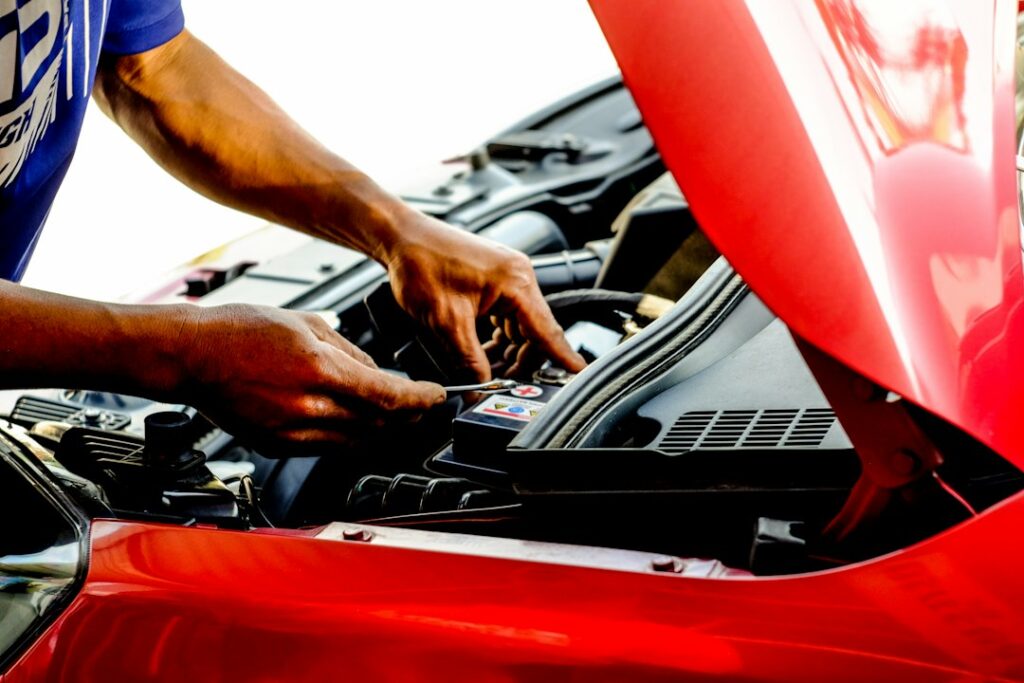
Why does preventive maintenance help a vehicle last longer?
Preventive maintenance reduces the chance that small problems will develop into expensive mechanical failures. Routine inspections, fluid changes, tire care, and timely repairs help the engine, transmission, brakes, suspension, and electrical systems operate under less strain.
A vehicle rarely reaches the end of its useful life because of one isolated issue. More often, wear builds gradually. Old engine oil increases friction, underinflated tires create heat, and a weak battery can place extra demand on the charging system. Addressing these conditions early can protect major components and make the vehicle more dependable over many years.
For residents of Middletown, CT, regular care is especially useful because vehicles may experience cold winters, summer heat, heavy rain, road salt, potholes, and frequent short trips. Those conditions can accelerate wear even when the vehicle appears to be running normally.
What maintenance tasks have the greatest effect on vehicle longevity?
The most valuable maintenance tasks are the ones that protect systems exposed to heat, friction, moisture, and road impact.
Engine oil and filter changes
Engine oil lubricates moving parts, carries away heat, and helps suspend contaminants. Over time, it breaks down and becomes less effective. A neglected oil change can contribute to sludge, increased friction, and premature engine wear.
The correct service interval depends on the vehicle, oil type, driving conditions, and manufacturer guidance. Short trips, extended idling, dusty roads, towing, and frequent stop-and-go driving may justify more frequent service than highway driving.
Cooling system care
The cooling system keeps the engine within a safe operating temperature. Coolant that is old, contaminated, or too low may allow corrosion, overheating, or freezing damage.
Check the coolant level only when the engine is cool, and never remove a hot radiator cap. Warning signs include an overheating gauge, a sweet smell, visible leaks, or coolant repeatedly disappearing from the reservoir.
Transmission service
Transmission problems can be costly because the system contains many precisely controlled components. Fluid helps manage heat, lubrication, and hydraulic pressure. Depending on the vehicle, transmission fluid may need inspection, replacement, or a manufacturer-specified service procedure.
Delayed engagement, slipping, harsh shifting, unusual noises, or fluid leaks should not be ignored. Continuing to drive with these symptoms may turn a manageable problem into major internal damage.
Tire rotation, inflation, and alignment
Tires affect safety, fuel use, braking, and suspension wear. Correct inflation helps the tread wear evenly and reduces unnecessary rolling resistance. Rotation can help distribute normal wear, while proper alignment prevents the vehicle from pulling or wearing the edges of the tires.
Check tire pressure when the tires are cold, including the spare if the vehicle has one. Pressure can change with temperature, so readings that seem acceptable during one season may be incorrect several months later. A vehicle that vibrates, pulls, or develops uneven tread wear may need more than a simple pressure adjustment.
Brake inspections
Brake pads, rotors, calipers, hoses, and fluid all require attention. Waiting for grinding or severe noise is risky because those symptoms may indicate that friction material has already worn away.
A soft pedal, vibration during braking, pulling to one side, or a brake warning light deserves prompt attention. Brake fluid also absorbs moisture over time, which can lower its boiling point and contribute to corrosion within the system.
How often should a vehicle be inspected?
A practical approach is to combine the manufacturer’s maintenance schedule with regular visual checks and seasonal preparation. The owner’s manual is the primary reference because service intervals vary by vehicle and engine design.
At least once a month, check:
- Engine oil level, if the vehicle has a traditional dipstick
- Tire pressure and visible tread condition
- Exterior lights and turn signals
- Windshield washer fluid
- Signs of fluid leaks beneath the vehicle
- Wiper blade performance
- Battery corrosion or swelling
Before winter, inspect the battery, coolant protection, tires, wipers, lights, and defroster. Before summer travel, pay close attention to the cooling system, air conditioning, tire condition, and spare tire.
Mileage is only part of the maintenance picture. A vehicle driven very little may still need service because fluids age, rubber components dry out, and batteries lose capacity while sitting.
Can short trips and seasonal driving shorten a vehicle’s life?
Yes. Frequent short trips can be harder on a vehicle than longer drives because the engine may not reach full operating temperature. Moisture can accumulate in the crankcase and exhaust system, while the battery may not receive enough charging time after starting.

This does not mean short trips should be avoided. It means they should be considered when following the maintenance schedule. Occasional longer drives, when appropriate and safe, can help the engine and exhaust system reach normal operating temperature.
Winter road salt presents another concern. Salt and moisture can accelerate corrosion underneath the vehicle, around brake lines, at suspension mounting points, and near body seams. Washing the underside periodically during salt season can help remove residue. Areas where salt collects should receive particular attention, but washing should not replace an inspection of visible rust or damaged components.
Which warning signs should never be postponed?
Some symptoms indicate that continued driving could create a safety hazard or worsen damage:
- An engine temperature gauge rising above normal
- An oil pressure or brake warning light
- A flashing check-engine light
- Loss of braking power
- Strong fuel, burning, or electrical odors
- Steering that suddenly feels loose or difficult
- A tire with a bulge, deep cut, or repeated pressure loss
- Loud grinding, knocking, or severe vibration
- A large fluid leak
A warning light does not always mean the vehicle is about to fail, but it should not be dismissed. Flashing indicators, overheating, fluid loss, and changes in braking or steering require faster attention than a minor cosmetic concern.
Does preventive maintenance save money?
It can reduce long-term ownership costs by preventing secondary damage and improving the useful life of major components. A low fluid level, for example, may begin as a small leak but eventually damage an engine, transmission, or differential if ignored.
Maintenance also improves efficiency. Properly inflated tires, clean filters, functioning sensors, and correctly serviced fluids help the vehicle operate as designed. Preventive care cannot eliminate every repair, especially as a vehicle ages, but it can make failures less frequent and more predictable.
Keeping service records is useful even when maintenance is performed at different times or locations. Record the date, mileage, work completed, parts or fluids used, and any symptoms noticed afterward. A clear history helps identify recurring problems and prevents maintenance from being unnecessarily repeated or forgotten.
What is the most practical maintenance strategy for an older vehicle?
Use a priority system. Safety-related items such as brakes, tires, steering, lighting, and suspension should come first. Next, address conditions that could damage major components, including overheating, low oil pressure, transmission concerns, and serious fluid leaks. Comfort and appearance items can usually follow.
Aging vehicles also benefit from closer inspection of rubber hoses, belts, seals, brake lines, exhaust components, battery connections, and underbody corrosion. These parts may deteriorate from time and exposure even when mileage is modest.
The goal is not to repair every component at the first sign of age. It is to understand the vehicle’s condition, recognize which issues affect safety or reliability, and address preventable damage before it spreads. Consistent attention to basic maintenance gives the engine, drivetrain, tires, and safety systems a better chance to remain dependable for the long term.