

 See My Latest Article on HelloNation
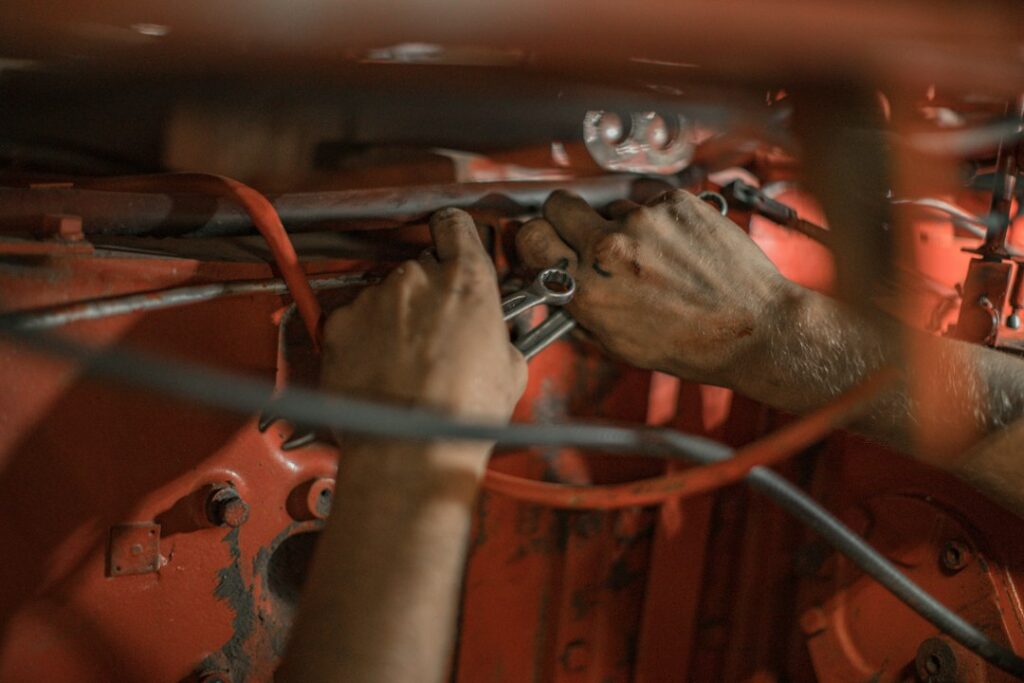
What do spark plugs do?
Spark plugs ignite the air-fuel mixture inside a gasoline engine. That controlled ignition powers each cylinder and helps the engine start, accelerate, idle, and operate efficiently.
A worn or damaged spark plug can cause a vehicle to run poorly even when the problem first seems minor. Spark plugs gradually lose their ability to produce a strong, consistent spark. The electrodes can wear down, deposits can build up, and the ceramic insulator may crack.
Most gasoline vehicles use one spark plug per cylinder. Replacement intervals vary widely by engine and plug design, so the owner’s manual or maintenance schedule is the best starting point. A vehicle may need new plugs sooner if it frequently makes short trips, idles for long periods, carries heavy loads, or has an underlying fuel or oil problem.
What are the common signs of worn spark plugs?
The most recognizable symptoms are hard starting, rough idling, hesitation, reduced fuel economy, and engine misfires. These signs can also come from ignition coils, fuel injectors, vacuum leaks, sensors, or other engine problems, so replacing plugs based on symptoms alone is not always enough.
Watch for:
- The engine cranks longer than usual before starting
- Rough or uneven idle, especially when stopped
- Hesitation when accelerating
- A noticeable lack of power
- Increased fuel consumption
- Engine vibration or occasional stumbling
- A flashing or steady check-engine light
- Misfire symptoms during damp or cold weather
A flashing check-engine light generally indicates an active misfire that may damage the catalytic converter. Reduce engine load and avoid continued driving until the cause is checked. A steady light still deserves attention, but it does not always indicate an immediate emergency.
Seasonal conditions in Middletown can make an existing ignition weakness more noticeable. Cold starts, temperature changes, road moisture, and winter driving can expose problems that were less obvious during mild weather. Moisture around the ignition components should not be confused with normal condensation inside the combustion chamber.
How can spark plugs be inspected?
Spark plug inspection begins with a cool, clean engine. Removing plugs from a hot aluminum cylinder head can damage the threads or increase the chance of burns.
Before starting:
- Park on a level surface and allow the engine to cool completely.
- Turn off the ignition and remove the key.
- Keep dirt, leaves, and grit away from the plug openings.
- Identify the location of each ignition coil or plug wire.
- Use the correct socket and extension for the vehicle.
Many modern engines use individual ignition coils mounted directly above the spark plugs. Older designs may use plug wires. The coil or wire should be removed carefully rather than pulled by the wire itself.
Once a plug is removed, inspect the firing end and the ceramic body. A normal plug often has a light gray or tan deposit. Heavy black soot may indicate a rich fuel mixture or weak ignition. Wet fuel can suggest that the cylinder is not firing. Oily deposits may point to an internal oil-control problem. White, blistered, or unusually clean areas can indicate overheating or abnormal combustion.
A cracked ceramic insulator, damaged threads, missing electrode material, or severe erosion means the plug should not be reused.
How do you measure spark plug wear?
The electrode gap is the distance between the center electrode and the ground electrode. This gap must match the engine manufacturer’s specification. As a plug wears, the gap often becomes wider, requiring the ignition system to work harder.
Use a wire-style or blade-style gap gauge to check the distance. Do not assume that a new plug is correctly gapped for every engine. Some replacement plugs are pre-gapped, but shipping and handling can alter the setting.
Do not force a platinum or iridium plug into the specified gap with excessive pressure. Fine-wire electrodes can be damaged easily. The correct procedure depends on the plug design, so the manufacturer’s instructions should be followed.
It is also a mistake to judge plug condition only by appearance. A plug may look acceptable but still be past its recommended service interval or have a weakened internal connection. Conversely, a dirty-looking plug may be showing evidence of a larger engine problem rather than being the original cause.
What tools are needed to replace spark plugs?
A basic replacement usually requires:

- Correct replacement spark plugs
- A spark plug socket
- Ratchet and extensions
- A torque wrench
- A gap gauge when adjustment is specified
- Compressed air or a soft brush for cleaning
- A small amount of dielectric grease for the ignition boot, if recommended
The exact plug type, heat range, reach, and thread size must match the engine. A plug that physically fits may still be incorrect. The wrong design can cause poor performance, thread damage, pre-ignition, or contact with internal engine components.
How are spark plugs replaced safely?
Remove and replace one plug at a time. This keeps ignition coils, wires, and connectors in their original locations.
Clean loose debris from around the plug before removal. Turn the plug counterclockwise with the correct socket. If it feels seized, avoid using excessive force, especially on an aluminum cylinder head. A damaged thread can create a much larger repair.
Compare the old plug with the replacement before installation. Start the new plug by hand using a short extension or a length of rubber hose. It should turn smoothly for several threads. If it immediately binds, stop and realign it. Never use the ratchet to force a plug into the cylinder head.
Tighten the plug to the specified torque. Under-tightening can allow combustion gases to escape, while over-tightening can damage the plug or cylinder-head threads. Apply anti-seize only if the plug manufacturer specifically permits it; many modern plug designs do not require it, and excess compound can change the tightening force.
Reconnect the ignition coil or wire securely. If dielectric grease is used, place only a small amount inside the rubber boot rather than coating the metal terminal.
What should be checked after installation?
Start the engine and listen for a smooth idle. The check-engine light may not turn off immediately if the vehicle’s computer has stored a fault, and replacing plugs will not correct a separate ignition or fuel problem.
A short test drive should include gentle acceleration and normal cruising. Stop and recheck the work if the engine continues to misfire, a coil connector is loose, or the check-engine light flashes.
If one plug looks dramatically different from the others, treat that difference as diagnostic information. It may indicate an injector issue, oil entering the cylinder, a vacuum problem, overheating, or a failing ignition component. Replacing all the plugs may restore operation temporarily without resolving the underlying cause.
When is a professional inspection necessary?
Spark plug replacement is often manageable for a careful do-it-yourselfer, but some conditions make the job risky. Extra caution is warranted when plugs are difficult to access, the engine has a history of stripped threads, a plug is seized, or the vehicle requires removal of intake components.
Professional diagnosis is also appropriate when the engine has a flashing check-engine light, severe shaking, fuel odor, overheating, repeated misfires, or signs of oil or coolant contamination. Those symptoms can involve conditions that spark plugs alone cannot repair.
For local drivers, timely attention is especially useful before winter travel or long highway trips. A marginal ignition component may work acceptably in warm weather but fail during a cold start or under heavier engine load. Replacing plugs according to the vehicle’s maintenance schedule and investigating unusual wear can help prevent a small ignition problem from becoming a larger engine or emissions-system repair.